Whoa! I installed Phantom for the first time and my initial reaction was—pretty slick. The UI is tidy and setup moves fast, which is nice when you just want to get into Solana apps without fuss. But here’s the thing: fast can hide small pitfalls, and if you rush you might end up clicking the wrong thing. So I want to walk you through the real trade-offs, not just the hype.
Seriously? Yes—seriously. Phantom makes everyday tasks on Solana simple: sending SOL, swapping tokens, managing NFTs, and connecting to DApps feels almost seamless. Yet, some parts of the experience demand more attention than the extension prompts suggest. On one hand you get convenience; on the other, you need to be protective of seed phrases, permissions, and unexpected pop-ups that ask to “connect”.
Hmm… when I first linked my Ledger through Phantom I felt relieved, and then slightly anxious. My instinct said double-check everything, and that was good advice. Initially I thought the extension’s warnings were enough, but then I realized that attackers increasingly mimic extension screens and prompts—so verification beyond the UI is necessary. Actually, wait—let me rephrase that: treat the extension as your front door, but the keys are in your pocket and you still have to lock the deadbolt.

Here’s the thing. Always download a wallet extension from a verified source, and confirm the extension ID or publisher in the browser store. I’m biased, but I prefer fetching installers from official links that the community recognizes, or from a direct, trusted source—so if you want the Phantom extension, go get it here. That single step cuts down on imitators and fake listings that pop up during big NFT drops or token launches.
Quick tip: back up your seed phrase immediately and store it offline—paper, metal plate, whatever you trust. Wow! Sounds obvious, right? Yet people very very often skip it. If you lose your device or the browser profile gets corrupted, that phrase is the only recovery path. And no—never paste it into a web form or send a screenshot to someone who DMs you (oh, and by the way… scammers will ask in very friendly, urgent tones).
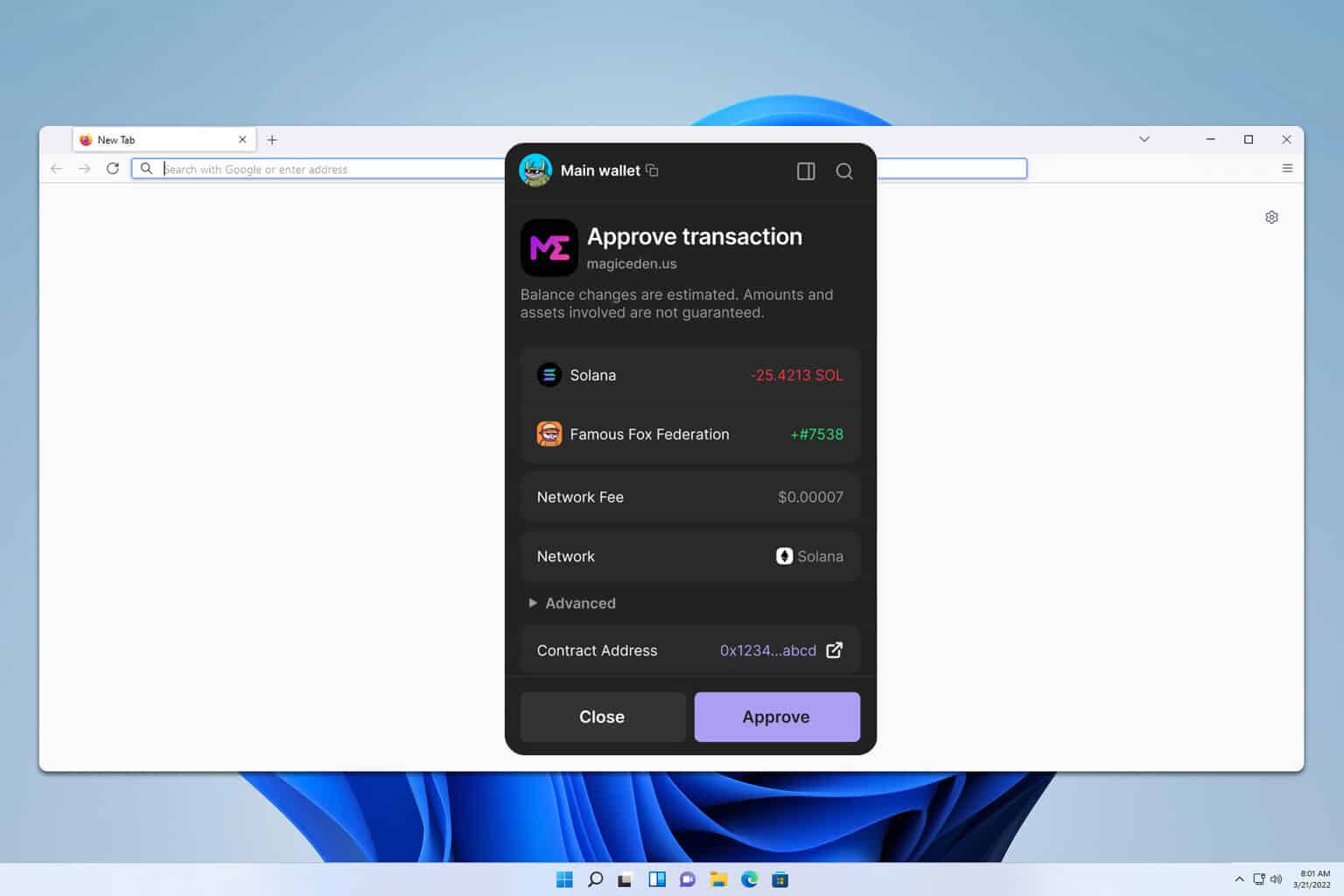
Practical habits that saved me time and grief
Okay, so check this out—before approving any DApp connection, look at which accounts the site requests and the origin domain. My habit: open the DApp in a new tab, inspect the URL carefully, and if the request looks off I cancel and refresh the DApp from an official source. Something felt off about one request once and that pause stopped me from exposing my NFT collection. On the flip side, when the connection is legitimate the experience is buttery and you can sign transactions quickly with minimal gas on Solana.
One thing that bugs me is permissions creep in some apps; they ask to “view” or “request” access that isn’t needed for the basic function. Watch for broad permissions like “sign arbitrary transactions”—that one should raise flags. My approach: least privilege. Only approve what the DApp explicitly needs to do, and if you must allow more access, use a throwaway account for riskier interactions. This way the exposure is limited and you keep your main wallet for trusted activity.
On performance—Phantom is light but browser behavior matters. If your browser has a hundred tabs open, something’s gonna lag. Close unneeded tabs, restart the browser if you see odd extension behavior, and keep an eye on extension permissions (some other extensions can conflict). I’m not 100% sure of all interaction bugs, but combining many extensions does raise risk—so be conservative.
If you’re into NFTs, Phantom integrates with marketplaces and collections smoothly, and viewing ownership is straightforward. There’s neat functionality for sending and receiving NFTs right from the extension, which is great when you’re trading within the Solana community. That said, always verify the collection contract on-chain when trading high-value items—don’t rely solely on the UI labels, because they can be spoofed.
Connecting hardware wallets like Ledger gives you that extra layer that I value—your keys never leave the device. I tried the Ledger-Phantom combo and it worked well for managing larger balances. Initially I thought it was cumbersome, but then realized the friction is actually a security feature in disguise: it slows impulsive moves and forces deliberate approvals.

FAQ
How do I verify I downloaded the real Phantom extension?
Check the publisher name, read user reviews, and confirm the extension ID if you can. Cross-reference with community channels or official Phantom pages. If any step feels unexpected, stop and verify—reinstall from a trusted source or the extension store listing that you know is real.
What if I suspect a phishing attempt after connecting Phantom?
Disconnect the DApp from the extension, revoke permissions (where possible), move funds to a fresh wallet if you fear compromise, and change any associated passwords tied to accounts that could be at risk. Also report the site to community moderators and consider checking transaction history on Solana explorers to audit recent activity.
Leave a Reply
You must be logged in to post a comment.