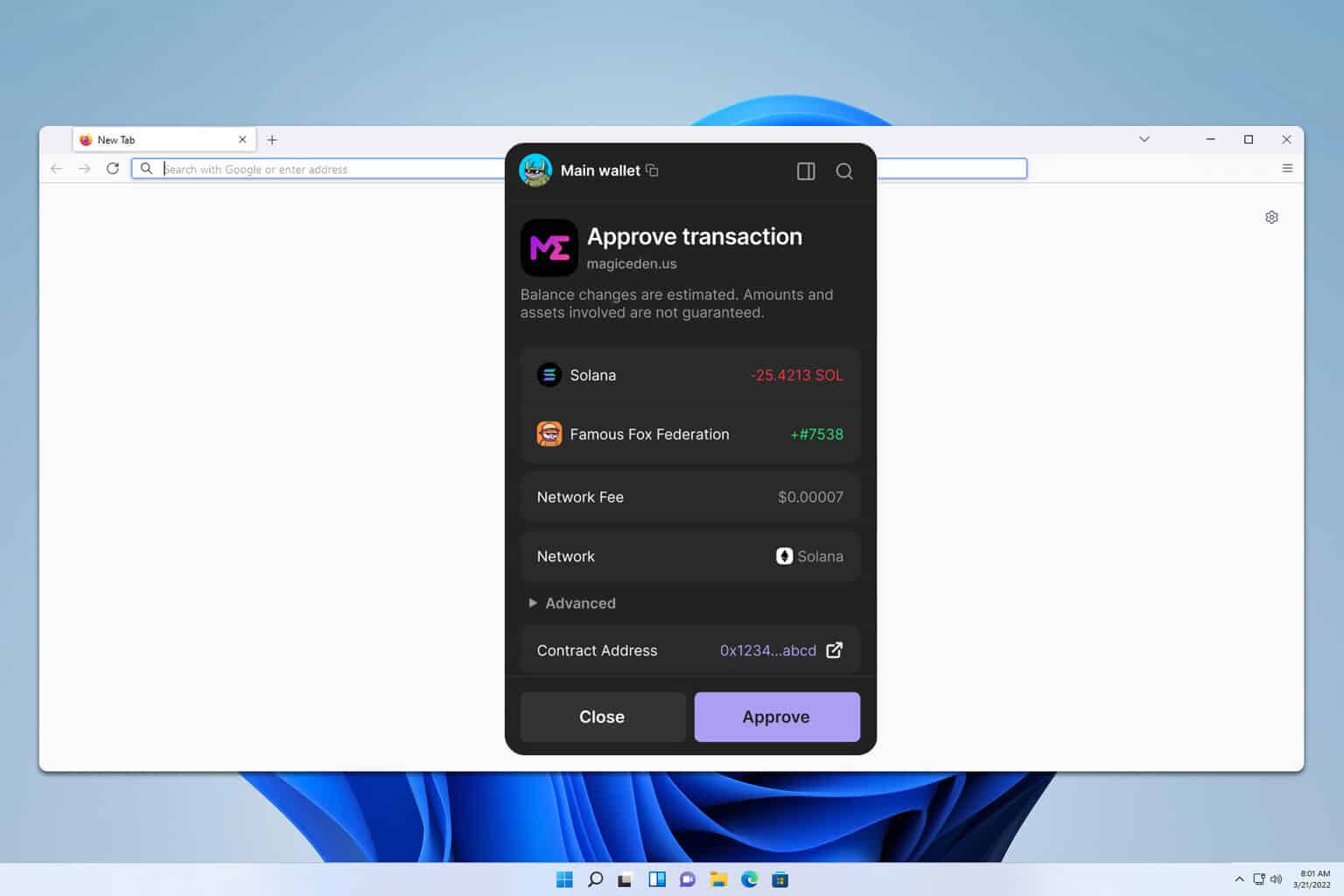
Category: Uncategorized

  • How Governance and Liquidity Bootstrapping Pools (LBPs) Rewire DeFi Coordination

    Okay, so check this out—DeFi governance and liquidity design aren’t separate puzzles. Wow! They’re braided together. Medium-sized token holdings can sway votes. Long-term tokenomics, the incentives of liquidity providers, and subtle mechanics like weight changes in a pool all interact in ways that reward some actors and penalize others, often simultaneously and unexpectedly.

    At first glance governance looks simple: holders vote, proposals pass, changes happen. Initially I thought that would be enough—pure democracy on-chain. But then I realized that turnout is terrible, and vote-buying strategies make outcomes more plutocratic than democratic. My instinct said the problem was just apathy, but actually, wait—let me rephrase that: apathy is part of it, and so is the design of token distribution and the liquidity primitives used during launch.

    Here’s the thing. Liquidity Bootstrapping Pools (LBPs) change initial price discovery by shifting token weights over time. Really? Yes. LBPs start with imbalanced weights that slide toward a more neutral composition, which pushes token prices down as supply becomes easier to acquire. This is clever. It fights simple pump-and-dump tactics. At the same time it creates a new set of governance questions: who gets tokens early, and who gets voting power later?

    LBPs were popularized for fairer launches. In practice they reduce early monopolies because the initial high prices discourage instant sniping. On one hand LBPs can democratize allocation. On the other hand, they reward those who can monitor—and act—during weight transitions. Hmm…

    Visualization of a liquidity bootstrapping pool where token weight shifts over time

    Where governance meets liquidity: practical mechanics

    Governance isn’t just about votes. It’s about the distribution of voting power, the timing of proposals, and the economic levers native tokens give holders. Short-term LP rewards, for instance, can concentrate tokens in the hands of yield optimizers who then participate in governance as a secondary use. This creates feedback loops.

    Mechanically, LBPs use two main levers: initial token weight and a schedule for weight change. Medium-sized pools can start heavily weighted toward the token being sold, making the initial price high. Over hours or days the protocol gradually lowers that weight, letting the token price trend downward. Long-term, that price path shapes who buys in and at what price—which in turn shapes governance seat allocation and proposal outcomes.

    There are trade-offs. LBPs reduce immediate frontrunning but don’t eliminate MEV. They’re not a magic wand. I’m biased, but this part bugs me: teams often talk about fairness, but forget tactical liquidity incentives that benefit bots or well-funded participants. Something felt off about treating LBPs as full-proof “fair launch” tools when, in reality, they’re just one piece of a complex distribution puzzle.

    On governance design, timelocks, quorum requirements, and delegated voting are where the nuance lives. Delegation helps participation numbers by letting active stewards vote on behalf of passive holders. But delegation can also lead to centralization if too many holders delegate to a few addresses. Initially I thought delegation would scale well. Though actually—when large LPs begin to delegate in bulk, the network concentrates influence, and that can squash minority voices.

    For teams running launches, a layered approach usually works better: combine LBPs with vesting schedules, on-chain buybacks, and staggered governance token releases. This reduces the payoff for a single short-term actor trying to dominate the vote within the first week. It also creates room for community members to accumulate positions more slowly, and to signal intent rather than just chase yield.

    Check this out—protocol tooling matters. Balancer’s flexible pool architecture is often used for LBPs because it supports dynamic weights and fee controls. For a hands-on reference, you can explore Balancer’s documentation and official resources here: https://sites.google.com/cryptowalletuk.com/balancer-official-site/ This isn’t a paid plug; it’s practical—if you’re designing an LBP you want protocol-level features that let you tweak schedules, fees, and governance knobs safely.

    Risk management is critical. Short sentence. Impermanent loss still exists, and it bites token teams who retain liquidity for treasury use. Medium sentence here to explain. If a treasury holds LP tokens and the market rebalances, the treasury’s effective governance stake might shrink relative to active traders, which can be surprising—and costly—for long-term roadmaps.

    Also—UX and information asymmetry are underrated. Long, complex proposals with buried code-level changes favor parties with engineering resources to audit and propose. On one hand, that expertise is needed to make safe changes. On the other, it tilts outcomes toward those with specialized capacity. That tension is real, and it shows up in debates about “off-chain signal votes” versus binding on-chain votes: signal voting helps inform but doesn’t prevent rapid on-chain changes from occurring later if the token distribution allows it.

    Common questions

    What is an LBP and why use one?

    An LBP (Liquidity Bootstrapping Pool) is a pool that shifts token weights over time to enable price discovery and reduce early sniping. It tends to make initial prices less attractive to instant speculators and gives a broader set of participants a chance to buy in as weights normalize.

    How does governance interact with liquidity providers?

    LPs often hold governance tokens as part of their yield or as collateral. This creates alignment or conflict: LP incentives can push for short-term fee optimization while governance leans toward long-term protocol health. Design choices like vesting and delegation can help balance these motives.

    What are practical anti-abuse measures?

    Use staged token releases, multi-sig treasury controls, on-chain timelocks, and careful LBP parameterization. Also encourage active, informed voting by compensating governance participation—though beware of vote-buying side effects.

  • Why I Use a Desktop Multi‑Coin Wallet with Atomic Swaps (and Why You Might Too)

    Wow, that surprised me. I was fiddling with wallets last week and found somethin’ interesting. Okay, so check this out—desktop multi‑coin wallets are getting smarter fast. At first I assumed atomic swaps were niche tech reserved for devs and traders, but that view changed after I actually swapped tokens across chains without an intermediary and it stuck with me. Here’s what bugs me about many wallets though: poor UX and closed systems.

    Seriously? My instinct said be careful, but curiosity won. I tried Atomic Wallet (yes, that one), and it surprised me. Initially I thought AWC token was just a loyalty gimmick, but after digging through the docs and watching governance examples I realized its role is more nuanced and tied to incentives for swap liquidity providers. On one hand I like decentralization, though actually some central services still offer smoother onboarding.

    Hmm… Desktop wallets matter because they keep private keys local and give you control. A good multi‑coin wallet handles dozens if not hundreds of chains without forcing you to trust custodians. There are tradeoffs — UX complexity, update burdens, and occasional compatibility gaps — yet the ability to perform atomic swaps natively reduces counterparty risk in ways that custodial solutions simply cannot match for peer-to-peer trades. I’ll be honest, the initial setup felt fiddly and required patience.

    Screenshot concept of a desktop wallet showing multi-coin balances and an active atomic swap

    How atomic swaps and AWC change the picture

    Here’s the thing. Atomic swaps let two parties swap tokens across chains without a trusted third party, using hash timelock contracts or compatible protocols. That’s powerful for swapping coins without KYC or custody. It also pushes the wallet to manage cross-chain state which adds engineering overhead. On the other hand, atomic swap success depends on both chains supporting compatible scripting or a relay layer, and that limits universal reach until more ecosystems converge on standard primitives or bridges that preserve non-custodial guarantees.

    Whoa! AWC token shows up in this picture in two ways. It can be used to reduce fees, provide staking incentives, and align community governance (which feels very very important in practice). When token incentives are designed well they encourage liquidity provision for swaps and fund development, but poorly designed tokenomics can misalign incentives and create concentration where a few holders control swap depth and direction. I saw that tension in a live chat and it felt messy.

    Really? Security is the metric that always matters most to me. Desktop wallets reduce exposure to web exploits and phishing compared with browser extensions. But you must still vet binaries, verify signatures, and keep backups of seed phrases because a stolen or lost key is game over regardless of how fancy the swap protocol is. Also, updates can introduce regressions, so I run a secondary cold storage setup for very large holdings.

    I’m biased, but I prefer tools that hand control back to users. Atomic Wallet’s UX and support for many chains made it usable for me as a daily driver. That included on‑device swaps and access to AWC token features without a centralized gatekeeper. Initially I thought desktop wallets would be too clunky for mainstream users, but then I watched someone older than me perform a swap with minimal coaching and that changed my view about what’s feasible. On one hand the learning curve exists, though actually good onboarding can bridge that gap.

    Hmm… Cost matters too; swaps can avoid exchange fees when both parties agree, but network fees still apply. Privacy is improved, but not perfect, since on-chain transactions remain observable. If you care about sovereignty and want fewer intermediaries, a desktop multi‑coin wallet with atomic swap capability is a compelling tool, yet it requires tradeoffs in convenience, and an honest appraisal of the risks involved. I’ll be honest — it’s not for everyone, but many traders like it.

    FAQ

    How do I get started with an atomic-swap capable desktop wallet?

    Okay, so check this out—download a reputable build, verify the installer if possible, back up your seed, and try a small test swap first. If you want a starting point for the desktop client I used, here’s a place to get an official installer: atomic wallet download. Initially I thought a full migration would be painful, but small, cautious steps make it manageable, and you’ll learn a lot by doing rather than reading alone.

  • How I keep my Cosmos assets safe — and still earn solid staking rewards

    Okay, so check this out—I’ve been messing with Cosmos chains for years now, and the thing that keeps tripping people up isn’t tech.

    It’s habits. Really.

    At first you think a wallet is just a place to store tokens. Initially I thought the same, but then realized wallets are also the user interface to your financial identity and responsibility. Hmm… that hit me after a small blunder on an IBC route, and yeah, somethin’ felt off about how casually I treated permissions back then.

    Whoa!

    This piece is for folks in the Cosmos ecosystem who want to move assets cross-chain with IBC and earn staking rewards without gambling away their keys. I’m biased toward practical safety. I’m not giving you legal or tax advice, just hard-earned operational tips. My instinct says most mistakes are avoidable with a few rituals and one good wallet choice.

    Here’s the thing. You need to be confident that your wallet handles IBC properly and that your staking strategy lines up with your risk tolerance. Seriously?

    Yes. Because IBC transfers expose you to human errors, and staking exposes you to economic design and validator behavior. On one hand, IBC is beautiful and seamless—on the other hand, it amplifies mistakes when you’re inattentive.

    Really, it’s a tradeoff between convenience and control.

    Start with the wallet. If you want a practical balance of usability and security for Cosmos IBC + staking, try the keplr wallet. I use it daily for transfers and delegations across several chains. I’m not paid by them; I’m just saying what works for me and for many in the community.

    My first impression of Keplr was: clean UI, IBC baked in, extension works well with Ledger, and it didn’t force me into weird flows. That first run felt smooth, but later I made a clinic-caliber mistake that taught me a lot.

    On one transfer I selected the wrong denom and almost bridged to a chain with different fee mechanics. Actually, wait—let me rephrase that: I nearly paid an avoidable fee because I didn’t check the route carefully. Lesson learned: pausing for five seconds saves money and heartache.

    Whoa!

    Security basics that most people skip:

    1) Treat your seed like a passport. Not something you casually screenshot. Write it down on paper. Use multiple copies stored separately. Consider a metal backup if you have significant funds. I’m not dramatic about it, but I’ve seen paper rot and people lose access.

    2) Use a hardware wallet for any non-trivial stake. Ledger integration with the Keplr extension is a must if you plan to keep funds long-term. It prevents browser and extension compromises from signing transactions without physical approval. My instinct said this years ago, and it’s still true.

    3) Never reuse the exact same password everywhere. Duh. But also don’t rely on browser-only passwords for your seed vault.

    Here’s the thing.

    IBC specifics to watch for:

    Routes are deterministic, but chains can change fees and timeouts. If you send an IBC transfer, it can timeout or fail in ways that are not obvious at first glance. On one hand, the UX hides some complexity; though actually if you drill into memos and packet timeouts you can see what’s happening.

    If you’re moving assets across zones, watch for token wrapping and denom prefixes. That can get confusing fast. Also, remember that once a token is sent via IBC it may be represented on the destination as an IBC denom—different validators, different slashing conditions, different governance exposure.

    Something I wish I’d known earlier: some chains have slightly different minimum gas expectations. So a transfer that worked once might fail if the relayer backlog spikes. Keep extra gas margin. Very very important.

    Whoa!

    Validator selection matters more than most people assume. Delegating is not a passive zero-risk activity. You are trusting a validator’s uptime, their software ops, and their stance on governance proposals. Pick validators with low commission, high uptime, transparent operator communication, and decent stake distribution.

    But here’s a nuance: lowest commission isn’t always best. A low-fee operator with poor infra will get slashed or jailed more often, which hurts returns. Balancing commission and reliability gives steadier compound returns over time. Initially I chased low fees; later I realized a small uptime delta compounds badly.

    On one hand, delegating to many validators spreads risk; though actually, if you spread too thin you might forget small stakes and inefficiency eats rewards. Keep your delegations manageable. I’m biased toward a curated set of validators I monitor regularly.

    Really?

    Slashing and downtime rules vary by chain. Know them. If you run a node or pick a validator, check their public infra (like Prometheus/Grafana links) and chat records. Validators often publish signing histories. Those metrics matter because slashing events are rare but costly.

    Also—read their governance posture. A validator who votes unpredictably might inject governance risk into your delegated stake. I’m not saying validators must be clones of each other, but you should know their tendencies.

    Here’s a small ritual I use before delegating: check the last 30-day uptime, current commission, and any open alerts on community channels. That simple three-check routine has saved me from a few bad delegations.

    Whoa!

    Compounding rewards: automatic vs manual.

    Auto-restaking services exist and they look attractive because they compound on autopilot. But they usually wrap your stake into a derivative token and add counterparty risk. If the wrapper contract or service misbehaves, your exposure can increase. I’m cautious with auto-restake unless it’s managed by a team I trust deeply.

    Manual compounding is clunkier, yes, but it keeps control in your hands and your validator choices explicit. I compound manually every couple weeks on larger accounts. Initially it felt tedious, but then I realized the control and auditability were worth it.

    Really?

    Operational tips that actually work:

    – Keep a small hot wallet for day-to-day moves, and stash the bulk in a cold device or secure seed with Ledger. This split reduces blast radius from phishing or browser compromise. My habit: “hot” for < 10% of on-chain assets.

    – Approvals and access: review and revoke any chain-specific allowances in your wallet. Some wallets show token approvals; Keplr shows transaction types clearly. Revoke old approvals when you finish interacting with a contract. It’s basic hygiene.

    – When interacting with dApps, validate the origin and contract addresses out-of-band. Use independent sources. If somethin’ looks off, stop.

    Whoa!

    IBC relayer risk and recovery planning:

    Relayers are the middlemen moving packets between chains. They’re reliable most of the time, but relayer downtime can delay transfers. That delay isn’t typically catastrophic, but if markets move fast you can miss an arbitrage window or land on a different chain state. Prepare fallback plans for urgent transfers.

    Also, keep local transaction logs and tx hashes when you do cross-chain moves. If a transfer times out or gets stuck, that information helps relayer operators and support teams troubleshoot. I’ve spent hours tracing tx failures without basic logs and it’s a pain you don’t want.

    On one occasion, community relayers fixed my stuck transfer after I provided a concise transaction trace. It was gratifying and humbling. I’m not perfect though—I’ve sent memos to the wrong chain before, so yeah, check the fields twice.

    Whoa!

    Privacy and social engineering:

    Public addresses are, well, public. If you show off big stakes on social, you invite attention. Be mindful when posting screenshots—blur addresses, amounts, and memos. I’m guilty of oversharing in earlier days and it made me paranoid for a while.

    Social engineering is real. Attackers will pose as validators, devs, or support staff. They will DM you with ‘urgent’ requests. Pause, verify, and never give your seed. Seriously, never.

    My rule: if someone asks for a private key or seed, it’s a scam. If someone asks for a signature for a dubious message, examine the message text carefully—signing a message can authorize actions depending on context.

    Whoa!

    When to use custodial services vs self-custody:

    Custodians offer convenience and insurance in some cases. They suit institutions or users who value simplicity and corporate-grade custody. But custodial arrangements trade off sovereignty. If you want to participate in governance or move assets across IBC freely, self-custody is usually better.

    I’m biased toward self-custody for personal staking, but I use custodial solutions for specific short-term liquidity management when the fees and terms make sense. Always read the terms.

    Here’s the thing: custody decisions are also personal finance decisions. Match the solution to your goals and timeframe.

    Whoa!

    A hardware wallet and a laptop with Cosmos staking dashboard visible

    Quick checklist before any IBC transfer or delegation

    – Confirm the destination chain and denom. Double-check the address format. Pause for five seconds. That pause helps more than you’d think. Really.

    – Ensure you have extra gas in the sending denom. A failed fee can cost you time and money. I usually add 20-30% buffer.

    – Use a Ledger or other hardware for large stakes. If using Keplr, pair it properly and test with a tiny tx first.

    – Check validator uptime, commission, and governance profile before delegating. Don’t just chase promo APRs.

    Whoa!

    FAQ

    How do I connect a Ledger to Keplr?

    Connect your Ledger, open the Cosmos app on the device, then use the Keplr extension to pair. You’ll approve transactions on the device. Test with a small transfer first to confirm everything’s wired correctly.

    Can my staked tokens be slashed for validator mistakes?

    Yes. Slashing rules depend on the chain. Typical reasons include double-signing and extended downtime. Diversify and pick validators with good infra to reduce that risk.

    Is auto-restake safe?

    Auto-restake is convenient but often wraps stake into derivatives, introducing counterparty and smart-contract risk. If you value simplicity and accept the tradeoffs, it’s fine; otherwise, manual compounding keeps full control.

  • Seed Phrases, Solana, and Your Phone: A Practical Playbook for Staying Safe

    Whoa! I got pulled into this whole seed-phrase rabbit hole last year.
    My first reaction was panic.
    Then I calmed down and started testing wallets on my phone, because that’s how most of us actually use Solana these days.
    Initially I thought a seed phrase was just some words you jot down and forget, but then I realized it’s literally the master key to everything you own on-chain—so that casual attitude has to change.
    Okay, so check this out—this is about real habits that will keep you from losing your NFTs or DeFi positions, and some trade-offs to accept.

    Quick primer: a seed phrase (mnemonic) is a human-readable backup that encodes the private key material for your wallet.
    Short version: if someone gets your phrase, they get your funds.
    Serious, right?
    On one hand the convenience is amazing—you can restore a wallet on any device.
    Though actually, that same convenience is the risk vector, so treat your seed like cold cash.

    Here’s what bugs me about the typical advice online: it’s all very neat and prescriptive.
    Write it down. Put it in a safe. Done.
    Really?
    In practice people snap photos, email themselves backups, or store it in cloud notes because it’s “easier.”
    That’s exactly the behavior that leads to getting cleaned out.
    My instinct said: make redundancy resilient and boring—two places, physically separated, not on the internet, and test the restore.

    A paper backup of a seed phrase next to a smartphone showing a Solana wallet interface

    How Solana on Mobile Changes the Game

    Solana’s speed and low fees make mobile wallets extremely convenient for NFTs and DeFi.
    But that convenience means you sign a lot more transactions, often without thinking.
    Hmm… that had me re-evaluate the apps I trust.
    If you’re considering a polished mobile experience, try phantom wallet as one option—it’s widely used in the ecosystem and has a strong UX for NFTs.
    Heads-up: popularity doesn’t equal perfect security, but it does mean the devs respond faster to issues and the community spots weirdness sooner.

    Mobile OS strengths matter.
    On iOS, secure enclave and face/fingerprint lock give an extra layer.
    On Android, hardware-backed keystores are good when present, but the ecosystem is more fragmented.
    So, choose devices and OS versions carefully.
    Also, PINs and biometrics are convenience guards—not magic.
    If a phone gets rooted or compromised, those protections can fail, which is why offline backups remain the foundation.

    Okay here’s a practical checklist I use.
    Short, actionable things.
    Really easy to follow.

    • Never screenshot or store the seed in cloud storage. (No photos, no notes.)
    • Write the phrase on paper, then transfer to a steel backup if you care about fire/water resistance.
    • Make at least two independent backups in separate locations—home safe + bank safety deposit, or trusted family member(s).
    • Use an optional BIP39 passphrase (a 25th word) for higher security, but only if you understand recovery complexity.
    • Test recovery on a spare device BEFORE you put funds in—yes, really test it.

    Initially I thought a passphrase was overkill for most folks.
    Then I lost a small account once because I confused two similar seed lists during a restore.
    Lesson learned: a passphrase provides an effective extra lock, but you must never forget it.
    If you forget the passphrase, the mnemonic alone won’t restore the wallet—so the passphrase becomes a second master key that you need to protect equally well.

    Multisig on Solana is underrated.
    If you’re managing real value—project treasuries, collector-level NFTs, or substantial DeFi positions—set up multisig via a reputable program.
    On one hand it adds friction, which annoys me.
    On the other hand, that friction is very very important because it prevents single-point-of-failure events.

    Phishing and fake apps are probably the single biggest immediate risk for mobile users.
    There are copycat wallets, malicious browser extensions, and scam dApps that ask you to sign transactions that drain accounts.
    Always verify the dApp URL, check for reputational signals (community, GitHub, audits), and be stingy with approvals—review each permission before you hit confirm.

    Some harder trade-offs: hardware wallets vs mobile convenience.
    Hardware keys like Ledger provide far better security because the private key never leaves the device.
    But using a hardware wallet for daily NFT flips is awkward.
    Personally, I keep small balances in a mobile wallet for active use, and larger sums in a hardware-secured cold setup.
    Not perfect—but pragmatic.

    Quick recovery routine if you suspect compromise:

    1. Move funds immediately to a new wallet whose seed you generated offline or on a fresh device.
    2. Freeze any linked exchange accounts and change passwords that might relate to the wallet.
    3. Revoke suspicious dApp approvals (some wallets let you view and revoke allowances).
    4. Document exactly what happened so you and your contacts don’t repeat the same steps.

    One more thing—privacy.
    Seed phrases themselves don’t reveal identities, but transaction patterns can.
    If you use your mobile wallet for both talking on social and buying NFTs, someone can correlate addresses to profiles.
    If privacy matters, consider using separate wallets for social visibility and for vault holdings.

    FAQ

    What if I lose my phone but I have my seed phrase?

    You can restore on a new device.
    Test restores regularly so you know the phrase works.
    If you used a passphrase, you’ll need that too.
    Also: consider changing passwords for apps tied to that wallet address if any cloud services were involved.

    Is it okay to store my seed in a password manager?

    I’m biased: I don’t recommend it for high-value wallets.
    Password managers could be a target, and an attacker with access to that vault gets everything.
    For smaller amounts some people accept the trade-off, but for larger holdings go offline—paper and steel backups.

    How many words should a seed phrase have?

    Common lengths are 12 or 24 words.
    More words generally mean more entropy and easier collision resistance.
    Whatever you choose, keep it safe and test recovery.

  • Phantom on Your Browser: A Practical, Honest Guide to the Solana Wallet Extension

    Whoa! I installed Phantom for the first time and my initial reaction was—pretty slick. The UI is tidy and setup moves fast, which is nice when you just want to get into Solana apps without fuss. But here’s the thing: fast can hide small pitfalls, and if you rush you might end up clicking the wrong thing. So I want to walk you through the real trade-offs, not just the hype.

    Seriously? Yes—seriously. Phantom makes everyday tasks on Solana simple: sending SOL, swapping tokens, managing NFTs, and connecting to DApps feels almost seamless. Yet, some parts of the experience demand more attention than the extension prompts suggest. On one hand you get convenience; on the other, you need to be protective of seed phrases, permissions, and unexpected pop-ups that ask to “connect”.

    Hmm… when I first linked my Ledger through Phantom I felt relieved, and then slightly anxious. My instinct said double-check everything, and that was good advice. Initially I thought the extension’s warnings were enough, but then I realized that attackers increasingly mimic extension screens and prompts—so verification beyond the UI is necessary. Actually, wait—let me rephrase that: treat the extension as your front door, but the keys are in your pocket and you still have to lock the deadbolt.

    Here’s the thing. Always download a wallet extension from a verified source, and confirm the extension ID or publisher in the browser store. I’m biased, but I prefer fetching installers from official links that the community recognizes, or from a direct, trusted source—so if you want the Phantom extension, go get it here. That single step cuts down on imitators and fake listings that pop up during big NFT drops or token launches.

    Quick tip: back up your seed phrase immediately and store it offline—paper, metal plate, whatever you trust. Wow! Sounds obvious, right? Yet people very very often skip it. If you lose your device or the browser profile gets corrupted, that phrase is the only recovery path. And no—never paste it into a web form or send a screenshot to someone who DMs you (oh, and by the way… scammers will ask in very friendly, urgent tones).

    Screenshot-style depiction of Phantom extension popup with emphasis on seed phrase safety

    Practical habits that saved me time and grief

    Okay, so check this out—before approving any DApp connection, look at which accounts the site requests and the origin domain. My habit: open the DApp in a new tab, inspect the URL carefully, and if the request looks off I cancel and refresh the DApp from an official source. Something felt off about one request once and that pause stopped me from exposing my NFT collection. On the flip side, when the connection is legitimate the experience is buttery and you can sign transactions quickly with minimal gas on Solana.

    One thing that bugs me is permissions creep in some apps; they ask to “view” or “request” access that isn’t needed for the basic function. Watch for broad permissions like “sign arbitrary transactions”—that one should raise flags. My approach: least privilege. Only approve what the DApp explicitly needs to do, and if you must allow more access, use a throwaway account for riskier interactions. This way the exposure is limited and you keep your main wallet for trusted activity.

    On performance—Phantom is light but browser behavior matters. If your browser has a hundred tabs open, something’s gonna lag. Close unneeded tabs, restart the browser if you see odd extension behavior, and keep an eye on extension permissions (some other extensions can conflict). I’m not 100% sure of all interaction bugs, but combining many extensions does raise risk—so be conservative.

    If you’re into NFTs, Phantom integrates with marketplaces and collections smoothly, and viewing ownership is straightforward. There’s neat functionality for sending and receiving NFTs right from the extension, which is great when you’re trading within the Solana community. That said, always verify the collection contract on-chain when trading high-value items—don’t rely solely on the UI labels, because they can be spoofed.

    Connecting hardware wallets like Ledger gives you that extra layer that I value—your keys never leave the device. I tried the Ledger-Phantom combo and it worked well for managing larger balances. Initially I thought it was cumbersome, but then realized the friction is actually a security feature in disguise: it slows impulsive moves and forces deliberate approvals.

    FAQ

    How do I verify I downloaded the real Phantom extension?

    Check the publisher name, read user reviews, and confirm the extension ID if you can. Cross-reference with community channels or official Phantom pages. If any step feels unexpected, stop and verify—reinstall from a trusted source or the extension store listing that you know is real.

    What if I suspect a phishing attempt after connecting Phantom?

    Disconnect the DApp from the extension, revoke permissions (where possible), move funds to a fresh wallet if you fear compromise, and change any associated passwords tied to accounts that could be at risk. Also report the site to community moderators and consider checking transaction history on Solana explorers to audit recent activity.