Blog

  • How I Manage a Multi-Platform Crypto Portfolio, Farm Yield, and Still Sleep at Night

    Okay, so check this out—I’ve been juggling wallets, farms, and cold-storage devices for years. Whoa! My first reaction to every new token used to be blind FOMO. Hmm… that changed fast. Initially I thought having a dozen apps was normal, but then realized that complexity was the real risk—operational risk, human error, and fragmented oversight.

    Here’s the thing. Managing a portfolio across phone, desktop, and hardware is part ergonomics, part psychology. Seriously? You can make or lose a lot of money at the keyboard. On the technical side you need coherent flows—how funds move, where keys live, what the recovery path looks like—though actually, wait—let me rephrase that: you need predictable, auditable processes that you can repeat when sleep-deprived.

    My instinct said that yield farming was an optional turbocharger. Something felt off about that instinct. Over time the farms that looked like rocket ships were the ones that crashed fastest. On one hand yield can boost return on idle assets; on the other hand there are smart contract risks, rug pulls, and crazy impermanent loss that bite hard and fast.

    So what changed for me? Two things. First, discipline—portfolio rules that I refuse to break. Second, a consolidation strategy: fewer trusted endpoints, more hardware-backed custody for the core, and flexible software wallets for active positions. I’m biased, but that combo reduced stress and saved money.

    A simple illustration of a multi-platform crypto setup: mobile, desktop, and a hardware wallet

    Practical portfolio management across platforms

    Start by mapping: which assets are long-term HODL, which are medium-term plays, and which are liquidity positions. Short sentence. Keep a ledger (digital or paper) that tracks cost basis, chain bridges used, and the custodial status of each balance—this is very very important. I use spreadsheets and a mental model; both fail sometimes, so I cross-check quarterly and after any big move.

    Personally I prefer a three-tier custody model. Tier one: hardware-backed vault for the bulk of your allocation—offline, air-gapped, and unswipable by accident. Tier two: multi-platform software wallet for day-to-day moves and DeFi interactions—phone and desktop synchronized. Tier three: lightweight custodial or hot wallets for convenience and third-party integrations. This layering minimizes surface area while preserving agility.

    One obvious question: how do you keep things synced? Answer: minimal replication, maximal reconciliation. Don’t replicate secrets. Instead, mirror balances and track transactions. Cross-check gas used, transaction IDs, and timestamps. That sounds tedious, but the payoff is not having to scramble when an exchange misreports balances or a bridge glitches.

    Also: treat each chain like a separate account. Sounds obvious, but when you’re multi-chain your brain tries to unify everything and then messes up. (Oh, and by the way… somethin’ as simple as mis-clicking on the wrong chain has cost me a trade.)

    Yield farming: where to push, where to pull back

    Whoa! Yield farming will seduce you. Short. The math looks irresistible until the rug appears. My gut feeling used to be chase APYs; now I ask: how is liquidity provision being incentivized? Where do the fees go? Who audits the contracts? Those are the real questions.

    Practical rule: limit capital deployed per protocol and use time-based caps. For example, never commit more than 5% of your deployable capital to any single un-audited pool—unless you have a very compelling reason. Also diversify across strategies: lending, AMM LPs, and staking; they behave differently under stress.

    Don’t forget exit planning. If you enter a high-APR farm, write out the conditions that will trigger an exit: APY cut by X, TVL drop by Y, or discovery of a critical bug. That sounds cold, but emotional exits are worse. Initially I thought “I’ll just hold through dips,” but then realized that some dips are structural and require action.

    Leverage and yield are a toxic combo for most retail players. Keep leverage out of yield farms unless you truly understand liquidation mechanics and cross-margin exposure. Seriously—liquidations are faster than you think, and margin calls can cascade across chains.

    Hardware wallet support: why it matters and how I use it

    Hardware wallets are not optional for a serious stash. Short. They are the fortress for your seed phrase. I like the mental comfort of a device you can physically touch and lock in a drawer. On the other hand, they need compatible software to work well across platforms.

    Compatibility matters. Pick a wallet ecosystem that supports the devices and chains you use. I migrated to solutions that have broad hardware wallet integration so I can sign on desktop, then confirm on device, then manage from mobile. The workflow matters more than the brand sometimes—simple UX reduces mistakes.

    If you want a balanced approach, choose a multi-platform software wallet with wide hardware wallet support so you can plug the cold key into different interfaces without exporting seeds. That pattern keeps private keys offline while letting you interact with dApps and exchanges safely.

    For folks hunting a single recommendation: I use a setup where my main software interface connects to hardware keys for signing, and where the same software runs on phone and desktop for portfolio tracking and DeFi access—convenient, consistent, and less error-prone. I found a trustworthy option and you can check it out here.

    Operational playbook: steps I follow before any trade

    Quick checklist first. Short. 1) Confirm objective. 2) Verify contract addresses. 3) Check hardware key is ready. 4) Simulate the trade mentally. 5) Execute and record. I try to make step 2 non-negotiable—I have been burned by a bad contract link once, and that lesson stung.

    When interacting with new protocols, I send a small test transaction first—tiny funds to confirm the approval flow and gas behavior. Then I execute the larger move. That costs a little extra gas, but it saves existential cringe later. Initially I thought this was overcautious, but then realized the utility of a two-step small-sample approach.

    Also adopt standardized gas policies: set buffer percentages and avoid racing for blocks unless it’s part of the strategy. Flash crashes and frontrunning can turn a profitable trade into a loss in seconds—so respect network dynamics, and respect your hardware wallet’s signing pace (it is slower than you might want).

    Common questions I get

    How much should I keep in a hardware wallet versus software wallets?

    Think in tiers: core allocation (cold storage) should be the lion’s share of net worth if you value security. Active trading capital lives in software wallets. A common split is 70/20/10 for long-term/core, short-term/deployable, and experimental play, but adjust to taste and risk tolerance.

    Is yield farming worth the risk?

    It can be, but it’s strategy-dependent. Low-risk yield like staking established PoS validators or lending on mature platforms is different from farming on brand-new AMMs. Treat yield farming like active investing: allocate small, set exit rules, and don’t bet the house.

    How do I check hardware wallet compatibility?

    Look for wallets that document device support clearly, test with small transactions, and verify community feedback. Use vendors that have a track record and open integration docs. I’m not 100% sure on every new device, so I test first—always test.

    Okay, so to wrap the vibe: I started out chaotic and now I’m intentionally messy—organized clutter, if you will. Really? That phrase makes me laugh. There’s more nuance than a checklist can cover, and somethin’ about crypto forces you to keep learning. I’m biased toward systems that let me sleep at night, coast-to-coast, and still check positions in the morning without heart palpitations.

    Final thought. Trust but verify—hardware anchors trust, software enables action, and rules protect your capital. On one hand this reads like a checklist; on the other hand it’s a lifestyle. There are trade-offs, and you’ll discover your sweet spot by doing, by failing small, and by building repeatable routines that survive real-life distractions (kids, dogs, Netflix binges…).

  • Why Controlling Your Private Keys Changes Everything — and Where Staking & Yield Farming Fit In

    Whoa!

    I still remember the first time I lost access to a wallet and felt that hollow punch in the gut — it was awful. Initially I thought backups were enough, but then realized hardware failures and human mistakes don’t care about good intentions. On one hand, self-custody gives you freedom; on the other, it gives you responsibility that a lot of people underestimate. Seriously? Yes — and that’s the core tension that shapes staking and yield farming choices.

    Here’s the thing.

    Controlling private keys means you, and only you, can sign transactions, recover accounts, and move funds. My instinct said “do it yourself” when I started, because custodial services felt like handing over the keys to a house you built. Actually, wait—let me rephrase that: trusting a custodian is sometimes necessary, especially for ease, but it trades off control. Something felt off about the industry’s habit of treating custody as a checkbox rather than a design choice.

    Hmm…

    Staking is the natural next question once you hold keys. In staking, you lock up tokens to secure a network and earn rewards for helping validate blocks. On one hand staking is simple and can feel passive; though actually, the unstaking periods and validator risks mean it’s not zero maintenance. My experience: delegation is easy, but you should vet validators (slash risk, uptime, reputation) before you point your stake at them.

    Wow!

    Yield farming, by contrast, is more hands-on and sometimes manic. It often involves LP tokens, protocol composability, and tactical moves between pools to chase APRs that can fluctuate widely. I’m biased, but chasing very high yields without understanding impermanent loss and smart contract risk is like betting on a sport you barely follow. On the plus side, yield strategies can diversify returns if you combine them with stable, audited platforms and maintain an exit plan.

    Really?

    Yes — because not all rewards are created equal, and liquidity matters. If you lock tokens in a long-term staking contract you may miss opportunities to reallocate into better yields, and conversely, moving in and out of yield farms costs gas and can trigger losses. Initially I thought you could optimize for maximum APR and be done; then I realized that tax, timing, and transaction costs quietly eat yield. So when you plan, think holistically about net returns, not headline percentages.

    Okay, so check this out—

    There are wallet choices that help bridge the gap between control and convenience. A solid decentralized wallet gives you private key control while integrating on-ramp and swap features so you don’t have to juggle multiple apps. For example, I recommend trying a wallet that supports staking natively and includes a built-in exchange to move between tokens quickly without surrendering custody, like atomic. I’m not shilling; I’m suggesting pragmatic tooling that reduces room for error while keeping you in control.

    Hmm…

    Security practices matter more than yield-chasing flashiness. Use a hardware wallet for larger sums, keep seed phrases offline, and consider a multisig if you run serious capital. My rule of thumb: if you can’t afford to lose it, treat it like you can’t afford to lose it — because that mindset changes behaviors. (oh, and by the way…) always test recovery steps — seed restore, password resets, and passphrase combinations — before you commit the whole stash.

    Whoa!

    There’s another layer: protocol risk. Audits reduce but do not eliminate smart contract vulnerabilities, and hacks happen to well-known projects. On one hand, diversifying across audited projects helps; though actually, correlated risks (same auditors, similar codebases) can still bite. I learned this the hard way when I thought geographic and protocol diversification were sufficient — turns out counterparty and design risk can be subtle and systemic.

    Seriously?

    Yes, seriously — governance and slashing are part of the calculus. Validators can be penalized for misbehavior, which affects stakers, and some DeFi strategies rely on governance tokens that may be illiquid or controlled by a small group. Initially I considered governance tokens purely as a bonus; then I realized governance centralization can undermine the value of those tokens entirely. So evaluate tokenomics and governance distribution before you assume rewards are sustainable.

    Here’s the thing.

    Taxation and record-keeping are boring but unavoidable. Every swap, stake, and liquidity provision can be a taxable event depending on local rules, and tracking dozens of small moves becomes a reporting nightmare. I’m not a tax pro, and I’m not 100% sure on specific cases for your state, but keeping a ledger and exporting histories regularly saved me time and headache during a tax season scramble. Trust me — receipts matter.

    Wow!

    Operational tips that actually helped me: set threshold rules for when to withdraw vs. compound, automate small rebalances, and document every manual step in a vault log. My instinct was to optimize constantly, but that led to overtrading and bad timing. On the flip side, being too passive can leave you locked into a low-yield position when opportunities arise — so find a rhythm that matches your risk tolerance and time availability.

    Hmm…

    One practical checklist before you stake or farm: verify private key backup, check validator reputation, audit status for protocols, expected lock-up or unstake delay, slashing exposure, and tax implications. On one hand, a quick checklist seems tedious, though on the other hand it prevents the kinds of mistakes that cost real money and sleepless nights. I’m biased, but a five-minute pre-check often saves me hours later.

    Hands holding a physical hardware wallet next to a laptop showing staking dashboard

    Putting it all together

    I’ll be honest: self-custody with staking and yield farming is empowering and anxiety-inducing at once. Initially freedom feels exhilarating, but responsibilities accumulate quickly — backups, security hygiene, and active risk management are part of the package. Actually, wait—let me rephrase that: the reward is not just yield, but control and optionality, which is valuable in a way that bank interest never was. So if you want the upside, prepare for the operational cost, and choose a wallet that supports self-custody plus built-in swaps and staking tools to streamline your workflow.

    FAQ

    Do I need a hardware wallet to stake?

    Not strictly, but for significant holdings it’s strongly recommended; hardware wallets keep private keys offline, and that drastically reduces the risk of remote compromise. If you’re delegating from a software wallet, limit exposure and consider smaller stakes until you test the flow.

    How do I pick a validator or yield strategy?

    Look at uptime, slashing history, fees, community reputation, and whether the validator or protocol has clear, transparent practices. For yield farms, prefer audited contracts, known teams, and a clear harvest strategy; and always calculate net returns after fees and gas.

  • Why Cake Wallet, Litecoin, and Mobile Privacy Matter More Than You Think

    Whoa!

    Okay, so check this out—mobile crypto wallets finally feel like tools you can actually trust.

    At first I thought mobile wallets were a convenience with tradeoffs, but after using Cake Wallet and juggling litecoin and Monero flows on the go, I changed my mind.

    Something felt off about clunky UX and vague security promises; though actually the landscape has matured faster than I expected.

    I’m biased, but this matters.

    Seriously?

    Cake Wallet started with Monero roots and then broadened to support things like Litecoin and Bitcoin, which is useful for people who want privacy without giving up speed.

    The balance they aim for—simple send/receive, seed-based recovery, optional exchange integrations—is familiar but practical for daily use.

    On one hand you want clean UX for novices; on the other hand power users expect advanced options, and the tension shows up in the settings.

    My instinct said tradeoffs are inevitable, but digging into the code and community channels revealed solid open-source foundations.

    Hmm…

    So here’s the thing: litecoin wallet support in a privacy-focused app isn’t just about toggling coins — it’s about how UTXO management, fee control, and address reuse are handled.

    That sounds nerdy, and it is, but these details shape real-world privacy for regular people.

    Check this out—

    And yeah, little UX touches (like clearly labeled change addresses) matter more than the marketing copy when you’re trying to avoid linkability.

    Cake Wallet transaction screen showing fee slider and address options

    Whoa!

    Many mobile crypto wallets are custodial, but Cake Wallet keeps keys local and non-custodial, which is a baseline requirement if privacy and sovereignty are priorities for you.

    If you value key control, features like encrypted seed backups, hardware wallet support, and well-documented recovery steps become very very important.

    Initially I thought that mobile devices were inherently insecure; actually, wait—let me rephrase that: modern phones with secure enclaves raise the bar, though user habits still make or break outcomes.

    I’m not 100% sure about every handset, but the trend is positive.

    Litecoin moves faster than Bitcoin, and fees are usually lower.

    For a mobile crypto wallet that supports LTC, that means snappy sends and less worry about dust outputs filling up your wallet.

    On the privacy front though, LTC lacks Monero-level obfuscation, so you must rely more on wallet hygiene and network mitigations.

    That tradeoff is okay if you design workflows: use Litecoin for everyday transfers, switch to Monero for fungibility-sensitive needs.

    I’m biased in favor of Monero-style privacy, but I’m pragmatic about speed and fees.

    Monero, Litecoin, and Real-World Privacy

    Okay, so check this out—

    If you want the strongest privacy for payments, Monero is the obvious choice because of ring signatures, stealth addresses, and confidential transactions.

    For mobile use, though, you need a wallet that handles Monero’s quirks cleanly; if that sounds niche, it is, but it’s the difference between ‘private’ and ‘plausibly private’.

    I’ve used a few apps; when I needed a pure Monero experience I turned to a good monero wallet that keeps things simple and solid.

    Actually, wait—let me rephrase that: think of Monero apps as complementary to LTC wallets, not replacements, and you’ll be less likely to make sloppy privacy choices.

    Here’s what bugs me about many mobile wallet rollouts: they market “privacy features” without explaining residual risks.

    Wallets can give a false sense of privacy when on-chain and network metadata still leak patterns.

    On one hand developers ship features to help users; on the other hand education suffers and users repeat dangerous practices.

    My gut told me this for years—seriously—and every once in a while a misuse case pops up that proves the point.

    So, be skeptical but curious; read the docs and test small amounts first.

    Okay, practical takeaways for someone choosing a litecoin wallet or a mobile crypto wallet:

    1) Prefer non-custodial options so you hold your keys. 2) Check seed backup flows and whether the words are BIP39-compatible or unique to that app (this matters for recovery). 3) Make sure the app exposes fee controls and clear address types, because default choices can leak info. 4) Consider using Monero for fungibility when receipts or merchant tracking matter. 5) Use hardware signers for larger balances where possible.

    Those points sound basic, yet people skip them all the time.

    I’m biased toward practical setups that work for daily life, not fantasies of perfect privacy.

    And yeah, somethin’ else—swaps and built-in exchanges are convenient, but they add attack surface.

    Using on-device swapping or a trusted decentralized route reduces trust, though fees and liquidity might vary.

    In testing, Cake Wallet’s integrations felt convenient and reasonably secure for routine use, but for high-value transfers I still prefer a cold-holding strategy.

    Keep small amounts on mobile and larger sums offline; it’s a boring rule, but it saves heartache.

    Also, backup your seed in more than one place (paper, encrypted vault) and test recovery—don’t just assume it works.

    Local notes: if you’re in the US, be aware of exchange linking requirements when moving between fiat and crypto; that can leak identity even if your wallet is private.

    Use privacy-aware rails where legal and available, and segregate accounts for privacy reasons.

    I’ll be honest—this part bugs me because privacy-savvy users often get tripped up by KYC onramps more than by wallet tech itself.

    Learning to compartmentalize transactions and to use different chains for different goals is a small habit with big payoff.

    It takes some discipline, but it’s doable.

    FAQ: Quick questions people actually ask

    Q: Is Cake Wallet safe for daily Litecoin use?

    A: For everyday LTC transfers it works well—non-custodial storage, sensible UX, and fee control. But treat any mobile wallet as “convenient, not invincible” and keep larger holdings in cold storage.

    Q: Should I use the same wallet for LTC and XMR?

    A: You can, if the app supports both, but consider separate profiles or seed phrases to reduce cross-asset linkability. Also, think about the threat model—sometimes separating funds physically across apps improves privacy.

    Q: What about swapping within the app?

    A: Swaps are handy. Use them for small amounts or when convenience outranks maximal privacy. For large or sensitive swaps use more trusted or on-chain privacy-preserving methods, and double-check fees and counterparty risks.

  • What Are the Must-Have Gadgets for a Great RV Camping Experience?

    What Are the Must-Have Gadgets for a Great RV Camping Experience?

    When embarking on an RV camping adventure, having the right gadgets can make all the difference. From kitchen appliances that simplify meal preparation to entertainment systems that elevate your downtime, each item serves a unique purpose in enhancing your overall experience. However, there are a few crucial gadgets that could take your trip from good to great, ensuring comfort, convenience, and safety along the way. So, before you hit the road, make sure you’re equipped with these must-have items to make the most of your RV camping escapade.

    Kitchen Appliances

    When RV camping, you’ll want to equip your kitchen with essential gadgets to make cooking on the road a breeze. One indispensable item is a compact coffee maker for those early mornings or late nights.

    A portable propane stove is also a must-have for versatile cooking options. It allows you to whip up anything from a quick breakfast to a hearty dinner without relying solely on campfires.

    To keep your food fresh, a reliable cooler or mini-fridge is essential. Consider investing in a 12-volt cooler that can be powered by your RV’s battery while driving.

    For quick and easy meals, a microwave can be a game-changer. It’s perfect for reheating leftovers or popping some popcorn for a movie night.

    Lastly, don’t forget about a good set of RV-friendly cookware, including pots, pans, and utensils that can withstand the rigors of travel. These kitchen gadgets will ensure that you can enjoy delicious meals no matter where your RV adventures take you.

    Entertainment Systems

    Enhance your RV camping experience with top-notch entertainment systems that will keep you entertained on the road. Investing in a quality TV with a built-in DVD player or a smart TV that allows you to stream your favorite shows and movies can make those cozy nights in your RV even more enjoyable. Consider mounting the TV securely in your RV to prevent it from moving around during travel.

    Another essential entertainment gadget for your RV is a portable Bluetooth speaker. Whether you’re relaxing outside by the campfire or having a picnic, a Bluetooth speaker allows you to enjoy your favorite tunes wherever you go. Look for a durable and water-resistant speaker that can withstand outdoor conditions.

    For a more immersive entertainment experience, you may want to consider a projector and portable screen. This setup is perfect for enjoying outdoor movie nights under the stars. Just hook up your projector to a laptop or streaming device, and you’re all set for a cinematic experience in the great outdoors.

    Outdoor Gear

    Consider investing in essential outdoor gear to elevate your RV camping experience and make the most of your adventures in nature. Start by getting a durable and comfortable camping chair. Having a cozy spot to relax by the campfire or enjoy the scenic views outside your RV is a game-changer.

    A portable camping stove is another must-have item. It allows you to cook delicious meals outdoors and enjoy the experience of al fresco dining. Don’t forget about a reliable cooler to keep your food and drinks fresh during your trip.

    A high-quality tent is essential for those nights when you want to sleep under the stars or if you have extra guests joining you. Additionally, a good pair of hiking boots will make exploring the great outdoors more enjoyable and comfortable.

    Lastly, invest in a set of reliable camping utensils and cookware to make meal prep a breeze. With these outdoor gear essentials, your RV camping experience will be elevated to a whole new level of comfort and convenience.

    Navigation Tools

    Are you equipped with the necessary navigation tools for your RV camping adventures? When hitting the open road in your RV, having reliable navigation tools is essential to ensure you reach your destination smoothly and safely. One must-have gadget is a GPS navigation system designed for RVs, which takes into account the size, weight, and height restrictions specific to RVs, guiding you on routes suitable for your vehicle. These GPS units often include points of interest tailored for RVers, such as campgrounds, RV parks, and dump stations, making it easier to plan your stops along the way.

    Additionally, having a physical map or an atlas can serve as a backup in case your GPS signal is lost or if you prefer a more traditional navigation approach. Maps come in handy when exploring remote areas where GPS signals may be weak. Another useful tool is a handheld GPS device for outdoor adventures like hiking or geocaching, providing navigation assistance when venturing away from your RV. By equipping yourself with these navigation tools, you can navigate confidently and enjoy a stress-free RV camping experience.

    Camping

  • What Are the Best Practices for Cleaning Up After Outdoor Cooking?

    What Are the Best Practices for Cleaning Up After Outdoor Cooking?

    When it comes to cleaning up after outdoor cooking, ensuring proper sanitation and maintenance is key to preserving your cooking equipment and the quality of your meals. You’ve just finished grilling up a feast, but what’s next? Discover the essential steps and tips for efficient and effective post-cooking cleanup that will not only keep your outdoor cooking area pristine but also contribute to the longevity of your equipment. So, what’s the first crucial step to take after the flames have died down and the grill has cooled off?

    Grill Cleaning Techniques

    When cleaning your grill, ensure to remove any food residue and grease buildup for optimal performance. Start by preheating the grill for about 15 minutes to loosen any stuck-on debris. Then, using a grill brush, scrub the grates thoroughly to remove leftover food particles. For tougher grease spots, consider using a mixture of water and mild dish soap to help break them down.

    Once the grates are clean, wipe down the exterior of the grill with a damp cloth and a gentle cleaner to remove any grease or dirt.

    After cleaning the grates and exterior, don’t forget to check the burner tubes for any blockages. Clear out any obstructions using a wire brush or pipe cleaner to ensure proper gas flow. Lastly, inspect the grease tray and pan for excess buildup. Remove any old grease to prevent flare-ups and maintain a safe cooking environment.

    Grease and Food Scraps Disposal

    Properly disposing of grease and food scraps is essential to maintaining a clean outdoor cooking area and preventing potential hazards.

    When it comes to grease, avoid pouring it down the drain as it can clog pipes and harm the environment. Instead, let it cool and solidify in a disposable container before throwing it in the trash.

    For food scraps, utilize a compost bin if possible to reduce waste and create nutrient-rich soil for your garden. If composting isn’t an option, seal scraps in a secure bag before tossing them in the garbage to prevent animals from rummaging through them.

    Regularly emptying the grease trap in your grill and cleaning out any food debris will also help prevent grease fires and unwanted odors. By taking these simple steps, you can efficiently manage grease and food scraps, keeping your outdoor cooking area clean and safe for future use.

    Utensils and Equipment Maintenance

    To maintain the longevity and effectiveness of your outdoor cooking utensils and equipment, regular cleaning and proper storage are key. After each use, make sure to clean your utensils thoroughly with hot, soapy water. This will help prevent the buildup of grease, food residue, and bacteria. For stubborn stains, use a non-abrasive cleaner and a sponge to gently scrub the surfaces.

    Additionally, it’s crucial to dry your utensils completely before storing them. Moisture can lead to rust and corrosion, reducing the lifespan of your equipment. Store your clean and dry utensils in a cool, dry place away from direct sunlight to prevent damage.

    Regularly inspect your equipment for any signs of wear and tear. Replace any damaged or worn-out utensils to ensure safe and efficient outdoor cooking. By following these simple maintenance practices, you can prolong the life of your outdoor cooking utensils and equipment, allowing you to enjoy many more delicious meals in the great outdoors.

    General Outdoor Cooking Area Cleanup

    Ensure your outdoor cooking area is kept clean and tidy by following these simple cleanup practices. Start by scraping any food residue off the grill grates with a grill brush after each use. Once the grill has cooled down, remove the grates and wash them with warm, soapy water. Wipe down the exterior of the grill with a damp cloth and mild detergent to remove grease and buildup.

    Don’t forget to clean your cooking utensils and cutting boards. Wash them thoroughly with hot water and dish soap to prevent cross-contamination. Store them in a dry and clean area to avoid bacteria growth.

    Dispose of any leftover charcoal or wood properly. Allow them to cool completely before discarding them in a metal container. Keep your outdoor cooking area clutter-free by organizing your tools and supplies after each use.

    Regularly sweep the surrounding area to remove any food scraps, grease, or debris. Consider investing in a good outdoor trash bin with a lid to contain waste effectively. By following these practices, you can maintain a clean and inviting outdoor cooking space for your next culinary adventures.

    Camping

  • What Are the Best Outdoor Fitness Exercises for Beginners?

    What Are the Best Outdoor Fitness Exercises for Beginners?

    When starting your outdoor fitness journey, selecting the right exercises can set a solid foundation for your progress. The best outdoor fitness exercises for beginners focus on a variety of areas like cardiovascular health, strength building, and flexibility enhancement. By incorporating a mix of activities that challenge different aspects of fitness, you can develop a well-rounded workout routine that keeps you engaged and motivated. But which specific exercises should you prioritize to kickstart your outdoor fitness journey effectively? Let’s explore some key options that will help you achieve your fitness goals efficiently.

    Cardiovascular Workouts

    Get your heart pumping with these effective cardiovascular workouts that will boost your stamina and endurance. Running is a fantastic way to get started. Lace up your shoes and hit the trails or streets for a heart-pounding workout that will also strengthen your leg muscles. Cycling is another great option to work your heart and legs. Hop on your bike and enjoy the fresh air while improving your cardiovascular fitness.

    Swimming is a low-impact exercise that provides a full-body workout. Dive into the pool and swim laps to increase your heart rate and build endurance. High-intensity interval training (HIIT) is perfect for those looking to maximize their cardiovascular benefits in a short amount of time. Incorporate exercises like jumping jacks, burpees, and mountain climbers into your routine for a challenging workout that will leave you breathless.

    Joining a group fitness class, such as a dance cardio session or kickboxing class, can make cardiovascular workouts more enjoyable and social. Push yourself to keep up with the group and feel the energy of those around you. Remember, consistency is key when it comes to improving your cardiovascular health, so aim to incorporate these workouts into your routine regularly.

    Strength Training Exercises

    To enhance your overall fitness and build muscle strength, engage in a variety of strength training exercises that target different muscle groups. Incorporating bodyweight exercises like push-ups, squats, and lunges into your routine is an effective way to strengthen your muscles without the need for equipment. Push-ups work your chest, arms, and core, while squats target your legs and glutes, and lunges engage your lower body muscles. Additionally, using resistance bands or dumbbells can add intensity to your workouts. Try exercises like bicep curls, shoulder presses, and deadlifts to challenge your muscles further.

    For a full-body workout, consider compound exercises such as the plank, which engages multiple muscle groups simultaneously, including your core, arms, and legs. Another beneficial exercise is the mountain climber, which boosts cardiovascular endurance while strengthening your core and arms. Remember to focus on proper form to prevent injury and maximize the effectiveness of each exercise. By incorporating a variety of strength training exercises into your outdoor fitness routine, you can improve your muscle strength, endurance, and overall fitness level.

    Flexibility Routines

    Engage in dynamic stretching exercises to improve your flexibility and range of motion during your outdoor fitness routine. Dynamic stretching involves moving parts of your body and gradually increasing reach and speed. These movements help to warm up your muscles and prepare them for the workout ahead. Incorporating dynamic stretches like leg swings, arm circles, and walking lunges can help you prevent injuries and enhance your overall performance during outdoor exercise.

    Additionally, don’t forget to include static stretching at the end of your workout. Static stretches involve holding a position for a period of time to elongate the muscles and improve flexibility. Focus on major muscle groups such as hamstrings, quadriceps, calves, and shoulders. Hold each stretch for around 15-30 seconds without bouncing, and remember to breathe deeply to allow the muscles to relax and stretch further.

    Outdoor Circuit Training

    Begin your outdoor circuit training session by setting up different exercise stations in a designated area to efficiently move through a series of full-body exercises. Choose exercises that target different muscle groups such as squats, push-ups, lunges, planks, and jumping jacks. Perform each exercise at high intensity for a set amount of time or repetitions before moving on to the next station. This method keeps your heart rate up and provides a comprehensive workout.

    Make sure to include stations for both cardio and strength training to achieve a balanced workout. For cardio, consider incorporating stations like sprints, high knees, or mountain climbers. For strength, include stations with resistance bands, kettlebells, or bodyweight exercises. Keep the circuit challenging but manageable for your fitness level, aiming to complete the circuit with minimal rest in between stations.

    Outdoor circuit training not only improves your cardiovascular fitness and strength but also adds variety and fun to your workout routine. Enjoy the fresh air and scenery while getting a full-body workout with this dynamic training approach.

    Camping

  • How Can You Choose the Best Shampoo for Your Dog’s Coat Type?

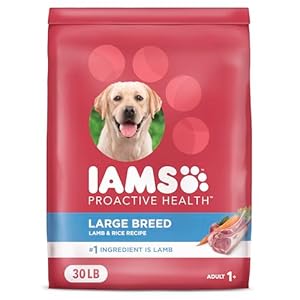
    How Can You Choose the Best Shampoo for Your Dog’s Coat Type?

    When it comes to selecting the best shampoo for your dog’s coat type, navigating the options can be overwhelming. Understanding the nuances of your furry companion’s coat and knowing which shampoo will cater to its specific needs is key. Factors such as texture, skin sensitivities, and grooming requirements all play a vital role in making the right choice. By selecting the appropriate shampoo, you can ensure that your dog’s coat remains healthy, shiny, and vibrant. But how do you navigate the vast array of products available to find the perfect match for your pup’s unique coat type?

    Understanding Your Dog’s Coat Type

    To understand your dog’s coat type, observe the texture and length of their fur. By running your hands through their coat, you can feel whether it’s smooth, wiry, curly, or fluffy. Smooth coats are short and lie close to the skin, while wiry coats feel rough and bristly. Curly coats are, as the name suggests, curly or wavy, and fluffy coats are soft and voluminous. Each type requires specific care to keep your dog looking and feeling their best.

    Smooth-coated breeds like Dalmatians or Dobermans benefit from regular brushing to remove dead hair and distribute natural oils. Wiry-coated dogs such as Terriers may need stripping to maintain their texture. Curly-coated breeds like Poodles or Bichons require regular grooming to prevent matting. Fluffy-coated breeds like Maltese or Samoyeds need frequent brushing to prevent tangles and mats. Understanding your dog’s coat type is crucial in selecting the right shampoo to maintain a healthy and shiny coat.

    Identifying Common Coat Types

    Identifying common coat types in dogs involves closely examining the texture and length of their fur to determine the specific care needed for each type. Dogs can have a variety of coat types, each requiring different grooming routines and shampoos.

    One common coat type is the short coat, which is sleek and lies close to the body. Short-coated breeds like Beagles or Dalmatians are easy to maintain and typically require less grooming.

    On the other hand, dogs with long coats, such as Maltese or Shih Tzus, have fur that’s flowing and may be prone to tangling if not properly cared for.

    Dogs with double coats, like Huskies or Golden Retrievers, have a dense undercoat beneath a longer topcoat, which necessitates specific grooming practices to keep shedding under control.

    Understanding your dog’s coat type is crucial in selecting the right shampoo and grooming routine to keep their fur healthy and shiny.

    Factors to Consider When Choosing

    Considering your dog’s specific coat type, texture, and grooming needs is essential when selecting the best shampoo for them. Different shampoos are formulated to cater to various coat types, so it’s crucial to assess what’ll work best for your furry friend. One significant factor to consider is whether your dog has a short or long coat. Short-coated dogs may benefit from shampoos that focus on cleaning without weighing down their fur, while long-coated breeds might require shampoos that offer extra conditioning to keep their hair manageable.

    Another important consideration is your dog’s skin sensitivity. If your dog has sensitive skin, opting for a gentle, hypoallergenic shampoo can help prevent irritation and maintain a healthy coat. Additionally, take into account any specific skin conditions your dog may have, such as dryness or allergies, and choose a shampoo that addresses these issues.

    Lastly, think about your dog’s grooming routine. If your dog requires frequent baths, selecting a mild shampoo that won’t strip their coat of natural oils is key. Understanding these factors will lead you to choose a shampoo that promotes a shiny, healthy coat for your beloved pet.

    Matching Shampoo to Coat Type

    Evaluate your dog’s specific coat type to determine the most suitable shampoo for their grooming needs.

    For dogs with dry skin or a dull coat, opt for moisturizing shampoos containing ingredients like oatmeal or aloe vera to help hydrate and nourish their skin and fur.

    Breeds with oily coats may benefit from clarifying shampoos that can help control excess oil production without stripping the coat of essential oils.

    Dogs with sensitive skin may require hypoallergenic or fragrance-free shampoos to prevent irritation and allergic reactions.

    For breeds prone to shedding, look for shampoos specially formulated to reduce shedding and promote a healthy coat.

    Dogs with white or light-colored coats might benefit from brightening shampoos to enhance their coat’s natural shine.

    Conversely, dogs with dark coats may benefit from color-enhancing shampoos designed to intensify their fur’s richness.

    Tips for Maintaining a Healthy Coat

    To ensure your dog maintains a healthy coat, consistent grooming practices and a balanced diet are key factors. Regular brushing helps distribute natural oils and prevents matting, especially for long-haired breeds. Brushing also stimulates blood flow to the skin, promoting a healthier coat.

    Bathing frequency depends on your dog’s breed and lifestyle. Over-bathing can strip the coat of natural oils, leading to dryness and irritation. Opt for a dog shampoo that matches your pet’s specific needs, whether for sensitive skin, odor control, or shedding.

    When feeding your dog, ensure their diet is rich in essential fatty acids, like omega-3 and omega-6, which support skin and coat health. Consult your veterinarian for advice on dietary supplements if needed. Adequate hydration is also crucial for a lustrous coat.

    Pet supplies

  • What Are the Best Cooking Methods for High-Altitude Camping?

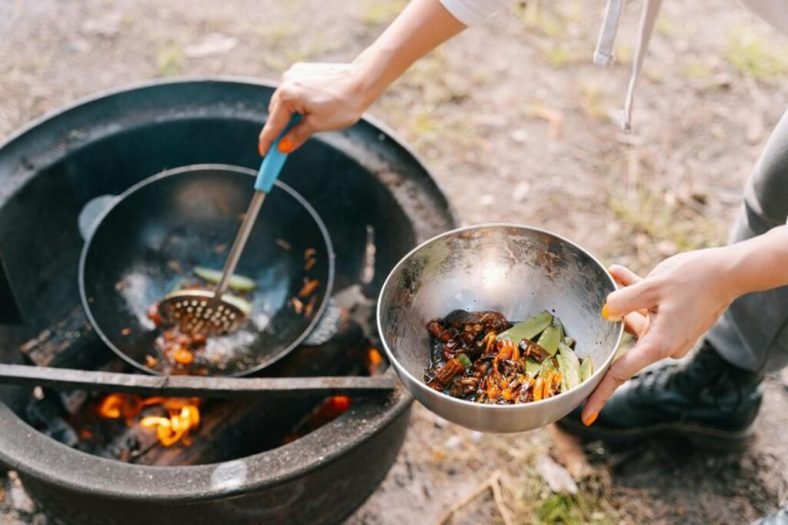
    What Are the Best Cooking Methods for High-Altitude Camping?

    When you’re out camping at high altitudes, choosing the right cooking methods can make all the difference in your meal prep. Imagine the satisfaction of enjoying a perfectly cooked dish despite the challenges posed by lower air pressure. From pressure cooking to grilling, each method brings its own unique benefits to the table. So, which cooking techniques will help you conquer high-altitude cooking like a pro? Stay tuned to discover the secrets to culinary success in the great outdoors.

    Altitude Cooking Challenges

    When cooking at high altitudes, you may encounter challenges that require adjustments to traditional cooking methods. One significant issue is that water boils at lower temperatures due to the decreased air pressure. This means foods take longer to cook and can end up dry or undercooked if not adjusted properly. To combat this, you might need to increase cooking times or temperatures.

    Another challenge you might face is the rapid evaporation of liquids. At higher altitudes, liquids evaporate quicker, leading to sauces and soups thickening faster than usual. To prevent this, you may need to add more liquid to your recipes or cover your cookware while simmering.

    Additionally, baking can be tricky as leavening agents work differently. The reduced air pressure causes dough to rise more rapidly and then collapse, resulting in dense baked goods. Adjusting the amount of leavening agents or using high-altitude recipes can help you achieve better baking results. Be mindful of these challenges and make the necessary adjustments to ensure your high-altitude cooking endeavors are successful.

    Best High-Altitude Cooking Methods

    To achieve optimal results when cooking at high altitudes, consider utilizing methods that account for the unique challenges posed by decreased air pressure and faster evaporation rates.

    One of the best cooking methods for high-altitude camping is pressure cooking. Pressure cookers help to increase the boiling point of water, allowing food to cook faster and more evenly.

    Another effective technique is using a Dutch oven. This heavy cooking pot with a tight-fitting lid retains moisture well, ensuring that your dishes stay flavorful and moist despite the dry mountain air.

    Grilling is also a great option for high-altitude cooking. The direct heat from the grill helps to sear food quickly, locking in juices and flavors.

    Additionally, using a slow cooker can be advantageous as it allows for long, gentle cooking times, perfect for tenderizing tougher cuts of meat at higher elevations.

    Experiment with these cooking methods to elevate your high-altitude camping culinary experience.

    Essential Cooking Equipment for Camping

    Considering the unique challenges of high-altitude cooking, having the right cooking equipment for camping is key to ensuring a successful culinary experience. When preparing for your high-altitude camping trip, there are a few essential cooking tools you shouldn’t leave behind.

    Firstly, a reliable camping stove is a must-have item. Opt for a stove that can handle windy conditions and maintain a consistent flame in the thin air of high altitudes. Additionally, pack a set of lightweight cookware such as a durable pot and pan, which are essential for cooking meals efficiently.

    Don’t forget to bring a portable coffee maker if you’re a coffee enthusiast; it can be a game-changer in the chilly mornings at high altitudes. A sturdy cooler to store perishable items and a set of utensils including a spatula, tongs, and a sharp knife are also crucial for your camping kitchen.

    Tips for Successful High-Altitude Cooking

    For successful high-altitude cooking, adjust your cooking times and temperatures to account for the lower boiling point of water. At higher altitudes, water boils at lower temperatures due to decreased atmospheric pressure. This means that foods will take longer to cook properly. To counter this, increase your cooking times or use a higher heat setting. Keep a close eye on your food to prevent overcooking.

    When baking at high altitudes, make adjustments to your recipes. Reduce the amount of leavening agents like baking powder or baking soda to prevent your baked goods from rising too quickly and then collapsing. Additionally, increase the baking temperature slightly and extend the baking time as needed.

    When preparing meals at high altitudes, use a food thermometer to ensure that your food reaches safe internal temperatures. Because water evaporates faster at higher elevations, be sure to monitor the liquid levels in your dishes and add more water or broth if necessary. With these adjustments, you can enjoy delicious meals even at high altitudes.

    Camping

  • Time-Saving Kitchen Organization Tips for Busy People

    Time-Saving Kitchen Organization Tips for Busy People

    When juggling a hectic schedule, finding time-saving kitchen organization tips can be a game-changer. Imagine effortlessly navigating your kitchen, effortlessly locating every tool and ingredient you need. Picture the ease of meal prep and cooking with a streamlined setup that complements your fast-paced lifestyle. By implementing practical strategies tailored to your needs, you can transform your kitchen into an efficient space that not only saves time but also enhances your overall cooking experience.

    Decluttering and Simplifying Spaces

    To declutter and simplify your kitchen space, start by assessing each item’s usefulness and importance in your daily cooking routine. Take a look at your utensils, gadgets, and cookware. Do you use that avocado slicer often, or is it just taking up precious drawer space? Keep the essentials within easy reach, and consider donating or storing items that you rarely use.

    Next, tackle your pantry and cabinets. Check for expired goods, duplicates, or items you bought but never used. Be ruthless in discarding anything past its prime or unlikely to be used. Organize your pantry by grouping similar items together, making it easier to spot what you need while cooking.

    When it comes to countertops, aim for a minimalist approach. Keep only the appliances you use daily, like your coffee maker or toaster. Store the rest to free up counter space and create a clean, uncluttered look in your kitchen. By decluttering and simplifying your kitchen, you’ll create a more efficient and enjoyable cooking environment.

    Efficient Storage Solutions

    Maximizing storage efficiency in your kitchen requires strategic organization and utilization of available space. Start by utilizing vertical space with shelves or hanging racks to store pots, pans, and utensils, freeing up valuable counter and cabinet space.

    Consider installing hooks inside cabinet doors to hang measuring cups or kitchen towels, keeping them easily accessible yet out of the way. Opt for stackable containers or bins to store dry goods like pasta, rice, and snacks, making it simple to see what you have at a glance.

    Utilize drawer dividers to keep utensils, cutlery, and gadgets neatly separated and easy to find. Store bulky items like mixers or blenders in lower cabinets on slide-out shelves for easy access.

    Lastly, make use of underutilized spaces like the back of cabinet doors or the sides of refrigerators with magnetic racks or baskets for storing spices, oils, or small kitchen tools. By implementing these efficient storage solutions, you can save time and reduce clutter in your busy kitchen.

    Meal Prep Stations

    Utilize designated meal prep stations in your kitchen to streamline your cooking process and enhance efficiency. Having specific areas set up for chopping, mixing, and assembling ingredients can save you valuable time when preparing meals. Designate a section of your countertop for meal prep, ensuring it’s clear of clutter and equipped with essential tools like cutting boards, knives, mixing bowls, and measuring cups.

    Organize your ingredients in a way that makes them easily accessible at your meal prep station. Consider using clear containers or labeled jars to store commonly used items such as spices, grains, and condiments. This way, you can quickly grab what you need without wasting time searching through your pantry.

    Having a dedicated meal prep station not only speeds up your cooking process but also helps you stay organized and focused. By preparing ingredients in advance and keeping your workspace tidy, you can make mealtime more efficient and enjoyable. Make it a habit to clean and reset your meal prep station after each use, ensuring it’s ready for your next cooking session.

    Smart Time-Saving Tools

    Consider incorporating time-saving tools into your kitchen to streamline your cooking routine and boost efficiency.

    Investing in a good quality food processor can help you chop, slice, and dice ingredients in a fraction of the time it would take to do it manually.

    A programmable slow cooker is another smart tool that can save you hours in the kitchen by allowing you to prepare meals in the morning and come home to a delicious dinner.

    To expedite boiling water for pasta or vegetables, an electric kettle can be a game-changer, heating water much faster than a stovetop method.

    Additionally, a pressure cooker is a versatile appliance that can significantly reduce cooking times for dishes that typically require long simmering or braising.

    Lastly, don’t underestimate the convenience of a handheld blender for quickly blending soups, smoothies, or sauces without the hassle of transferring hot liquids to a traditional blender.

    Kitchen Appliances

  • Transforming Your Fireplace Mantel for Every Season

    Transforming Your Fireplace Mantel for Every Season

    As you glance at your fireplace mantel, envision the possibilities of transforming it to match the essence of each season. By adapting simple yet effective decor changes, you can infuse your living space with a dynamic and ever-evolving ambiance. From subtle shifts in color palettes to playful additions that capture the spirit of each time of year, your mantel can serve as a canvas for creativity and expression. Stay tuned to learn how to effortlessly refresh your mantel decor throughout the changing seasons and infuse your home with a touch of seasonal charm.

    Seasonal Mantel Decor Ideas

    Spruce up your fireplace mantel with seasonal decor that reflects the changing seasons and brings a touch of warmth and charm to your living space. For the spring season, consider incorporating fresh flowers, pastel-colored vases, and light, airy decorative pieces to evoke a sense of renewal and growth.

    As summer approaches, swap out the spring decor for beach-inspired elements like seashells, driftwood, and vibrant tropical flowers to create a breezy, coastal vibe.

    When fall arrives, embrace the cozy ambiance by adorning your mantel with rustic pumpkins, warm-toned candles, and autumn leaves for a harvest-inspired look.

    As winter sets in, opt for evergreen branches, twinkling lights, and metallic accents to bring a festive and inviting atmosphere to your home during the holiday season.

    Tips for Year-Round Styling

    Enhancing your fireplace mantel with versatile decor that transitions seamlessly throughout the year can elevate the aesthetic appeal of your living space. To achieve year-round styling success, start by selecting a neutral color palette as the base for your mantel decor. This provides a timeless backdrop that can easily be updated with seasonal accents.

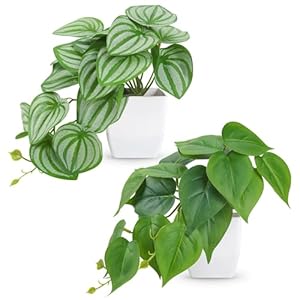
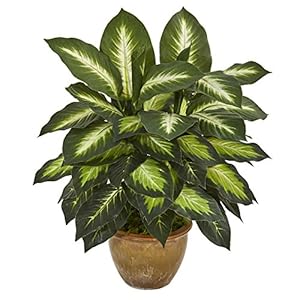
    Incorporating elements such as greenery, candles, or vases allows for a simple yet elegant look that works well in any season. Opt for interchangeable pieces like lanterns or frames that can be easily switched out to reflect the time of year without a complete overhaul.

    Consider adding a mirror above your mantel to create the illusion of more space and reflect natural light, brightening up the room. Additionally, incorporating personal touches like family photos or meaningful trinkets can make your mantel feel unique and inviting year-round.

    DIY Mantel Transformation Projects

    Transform your fireplace mantel with creative and budget-friendly DIY projects that add a personalized touch to your living space. One idea is to create a gallery wall above your mantel by gathering different-sized frames and arranging them in a visually appealing way. You can paint the frames in colors that complement your decor or leave them natural for a rustic look.

    Another DIY project is to make a decorative garland using items like pinecones, faux flowers, or even colorful pom poms. String them together and drape the garland along the mantel for a charming and seasonal touch.

    For a more functional project, consider building your own wooden mantel shelf. You can customize the size and finish to match your style perfectly. Adding a coat of paint or stain can transform the wood into a modern, farmhouse, or classic piece.

    Lastly, repurposing old items like vintage windows, shutters, or mirrors can create a unique focal point above your fireplace. These DIY projects won’t only refresh your mantel but also showcase your creativity and style.

    Styling Your Mantel for Special Occasions

    For special occasions, consider incorporating seasonal decor and festive accents to elevate the look of your fireplace mantel. Whether it’s a holiday gathering, a birthday celebration, or a dinner party, styling your mantel can set the perfect mood for the event.

    Start by choosing a theme that aligns with the occasion – for example, you could go for a rustic charm for Thanksgiving or a glamorous sparkle for New Year’s Eve.

    To create a visually appealing mantel display, use a mix of elements such as candles, garlands, string lights, and themed decorations. For Christmas, adorn your mantel with a lush garland, twinkling lights, and a collection of nutcrackers or snow globes. If it’s a birthday party, personalize the mantel with a banner or balloons that complement the color scheme of the celebration.

    Remember to balance the decor by varying the heights and textures of the items you place on the mantel. Don’t overcrowd the space; instead, give each piece room to shine and contribute to the overall festive atmosphere. With thoughtful curation, your mantel can become a focal point that enhances the special occasion’s ambiance.

    Home décor